Hunger Games: Sunrise on the Reaping
Digital Out of Home | AI Experience


For Lionsgate's The Hunger Games: Sunrise on the Reaping, Pretty Big Monster brought Panem to interactive holographic displays in theaters and malls nationwide. Fans were transformed into flamboyant Capitol characters through real-time generative AI and provided shareable, personalized selfies with Effie Trinket, played by Elle Fanning.
PBM captured exclusive footage and engineered the experience uniquely for interactive out-of-home networks, uniting Hollywood storytelling, emerging technology, and media to turn audiences from spectators into participants.
THE OBJECTIVE
Leverage the opportunity to capture talent in character (Elle Fanning and Joseph Zada) to create a compelling, boundary-pushing narrative built specifically for interactive digital out-of-home in a holographic format.
- Push the creative limits of the interactive digital-out-of-home format.
- Create an experience that combines star power and UGC for maximum engagement and sharability.
- Roll out the largest iDOOH media activation to date, across multiple networks on a nationwide scale.
THE CHALLENGE
After a successful interactive digital out-of-home campaign for Michael, Lionsgate came back with a request for something even bigger for their 2026 tentpole release, the next installment of the popular The Hunger Games franchise, Sunrise on the Reaping.
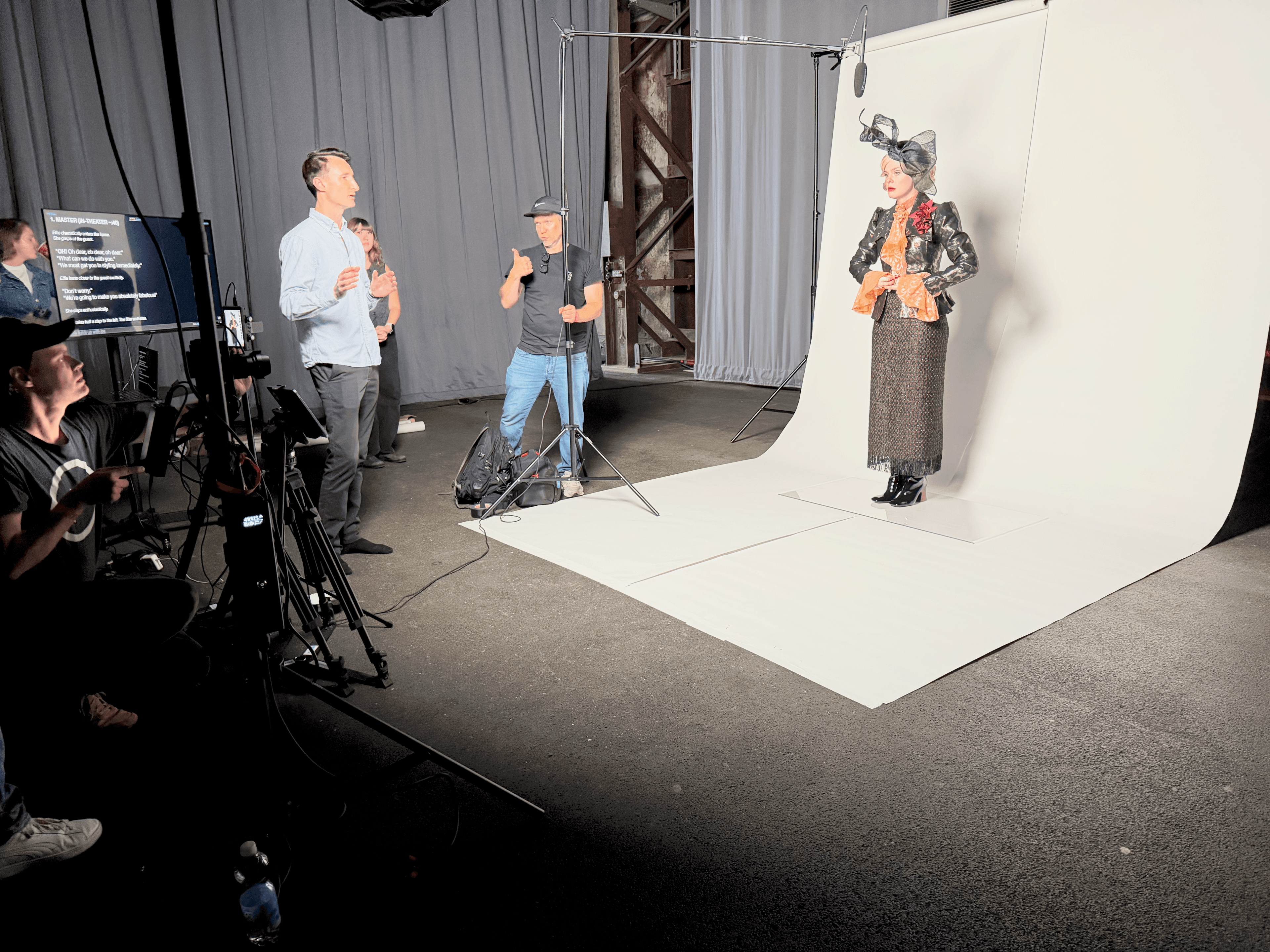
An initial conversation brought exciting news: we learned that we might have access to talent (Elle Fanning, Joseph Zada) in character during a narrow production window in three weeks' time. The catch? To capture them, we would need to fly to Düsseldorf, Germany, where the film set was. We also had to figure out what we’d be shooting…

OUR APPROACH: WELCOME TO THE CAPITOL
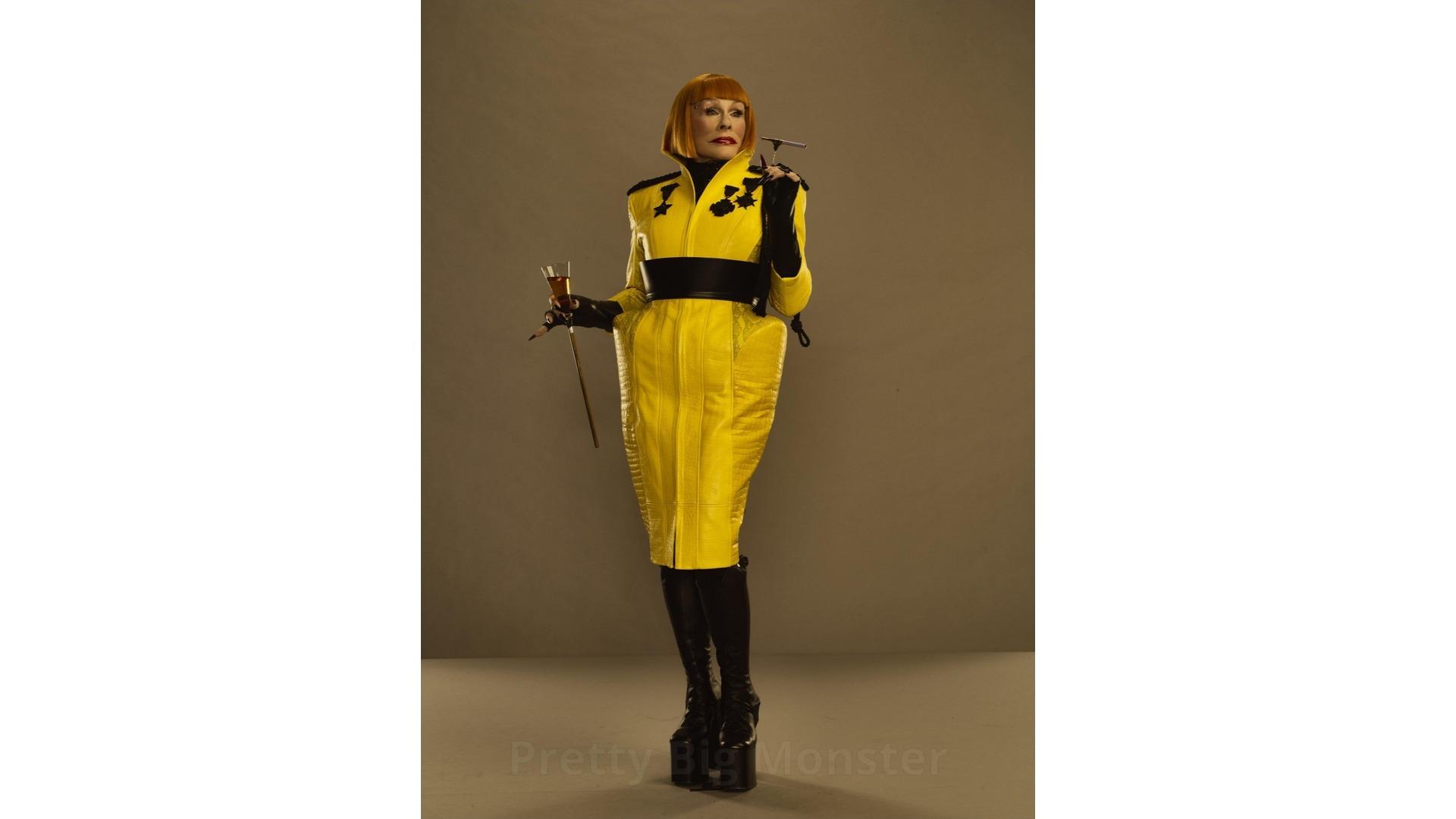
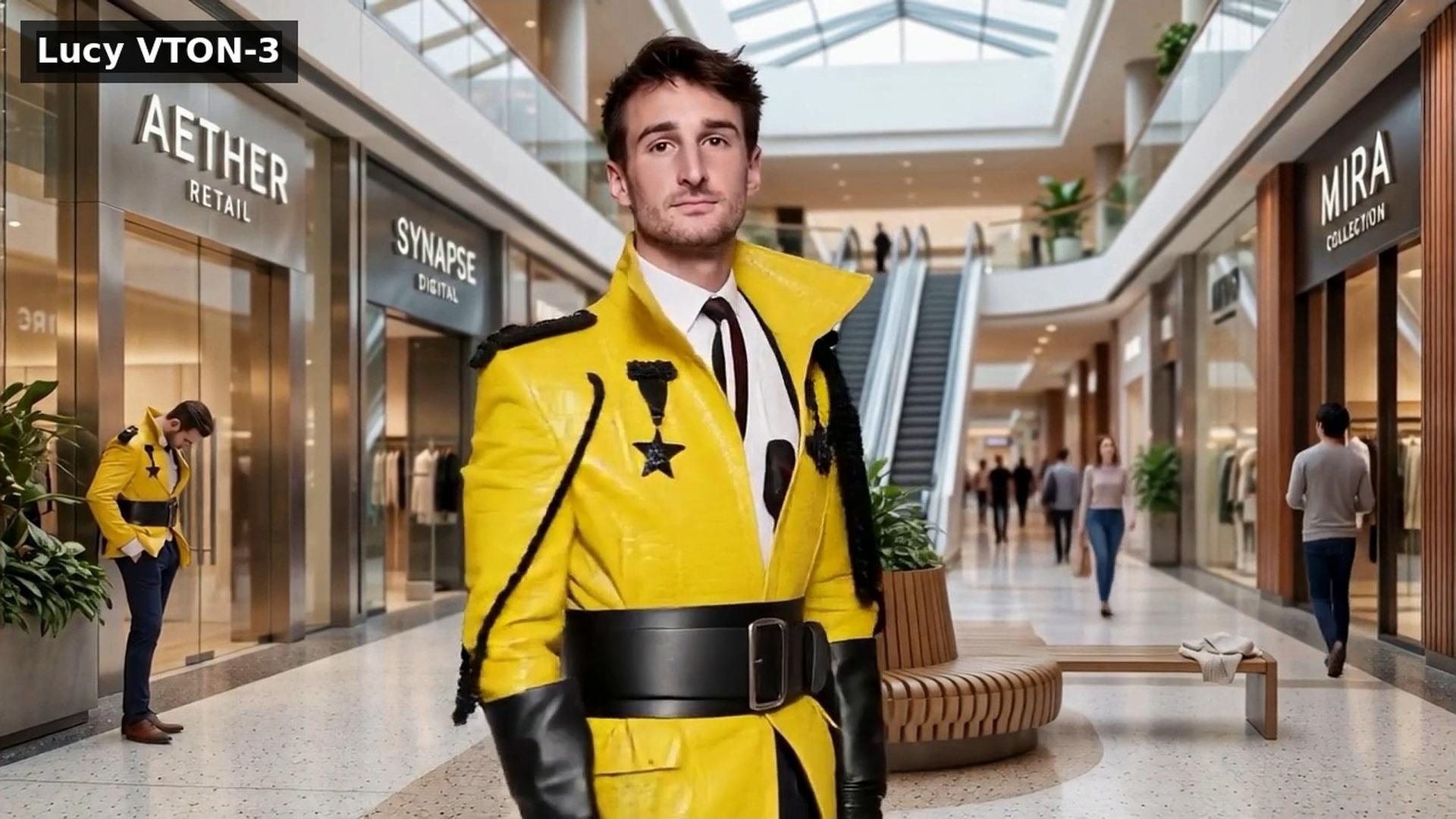
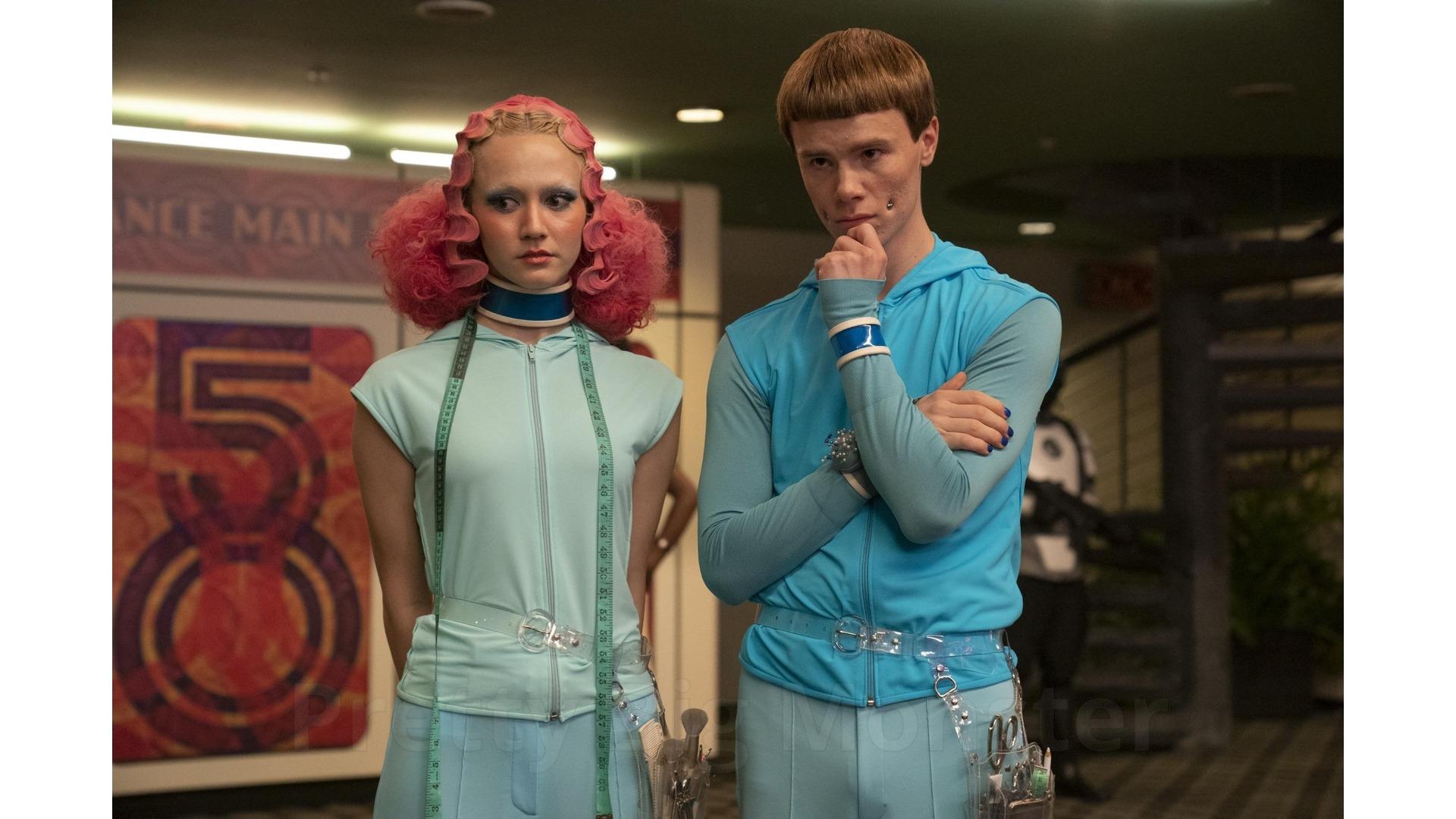
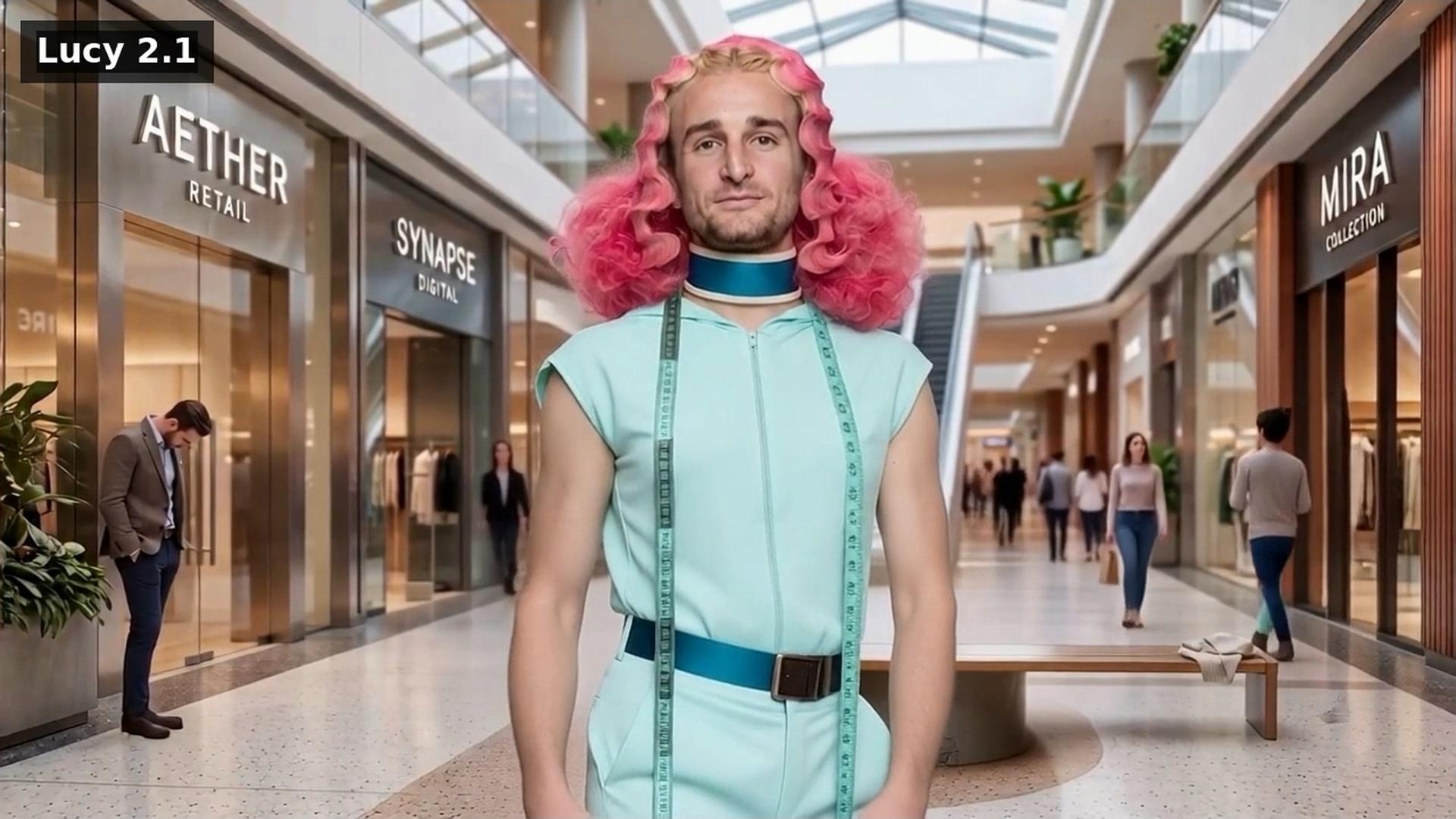
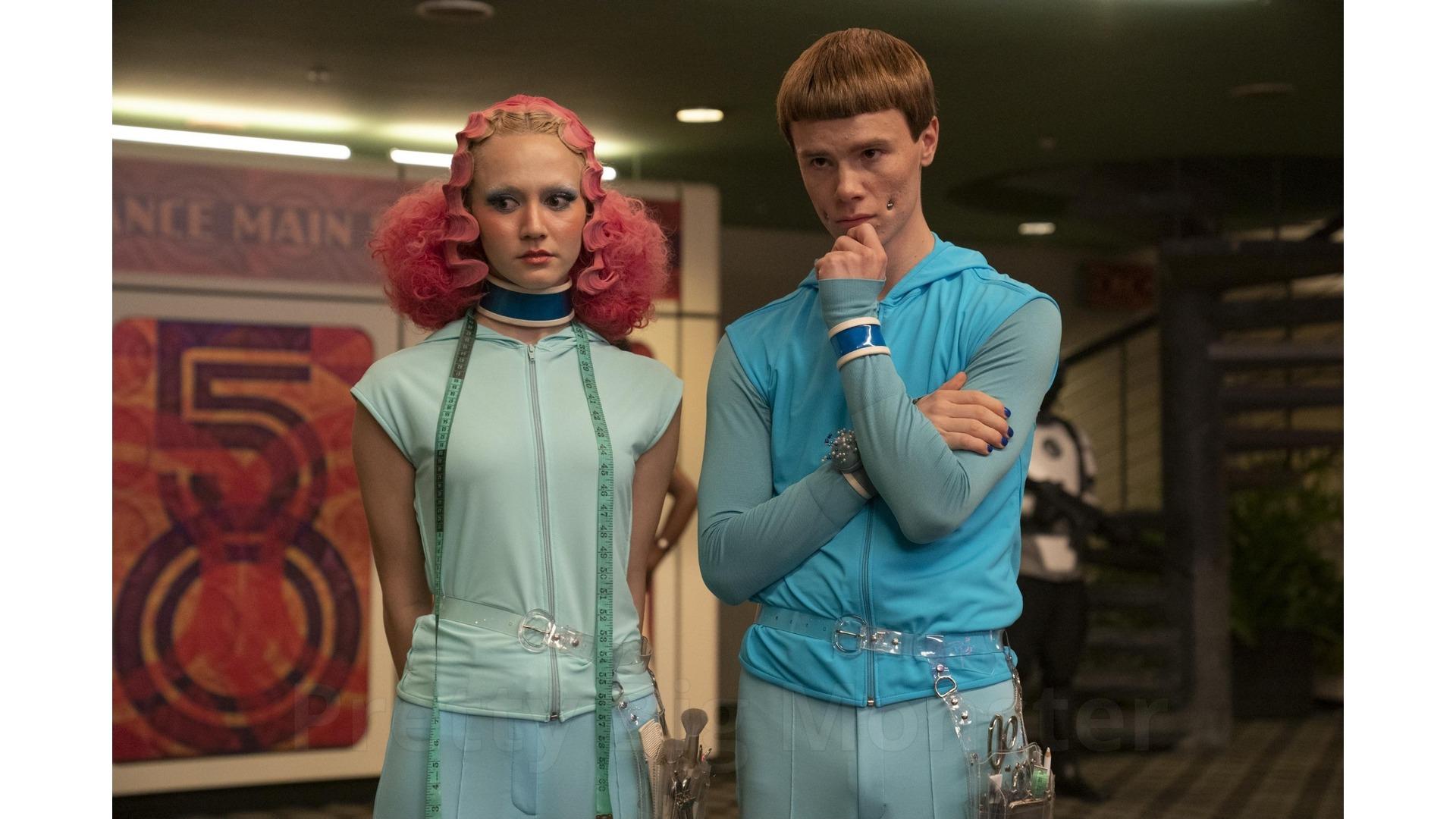
Over the next two weeks, we collaborated with Lionsgate and Suzanne Collins, the acclaimed author of The Hunger Games, to craft an authentic, in-story concept in which participants of our experience disguised themselves as members of The Capitol. This let us dress users in the flamboyant, outlandish costumes typical of Collins’ world and created a platform for highly shareable UGC.
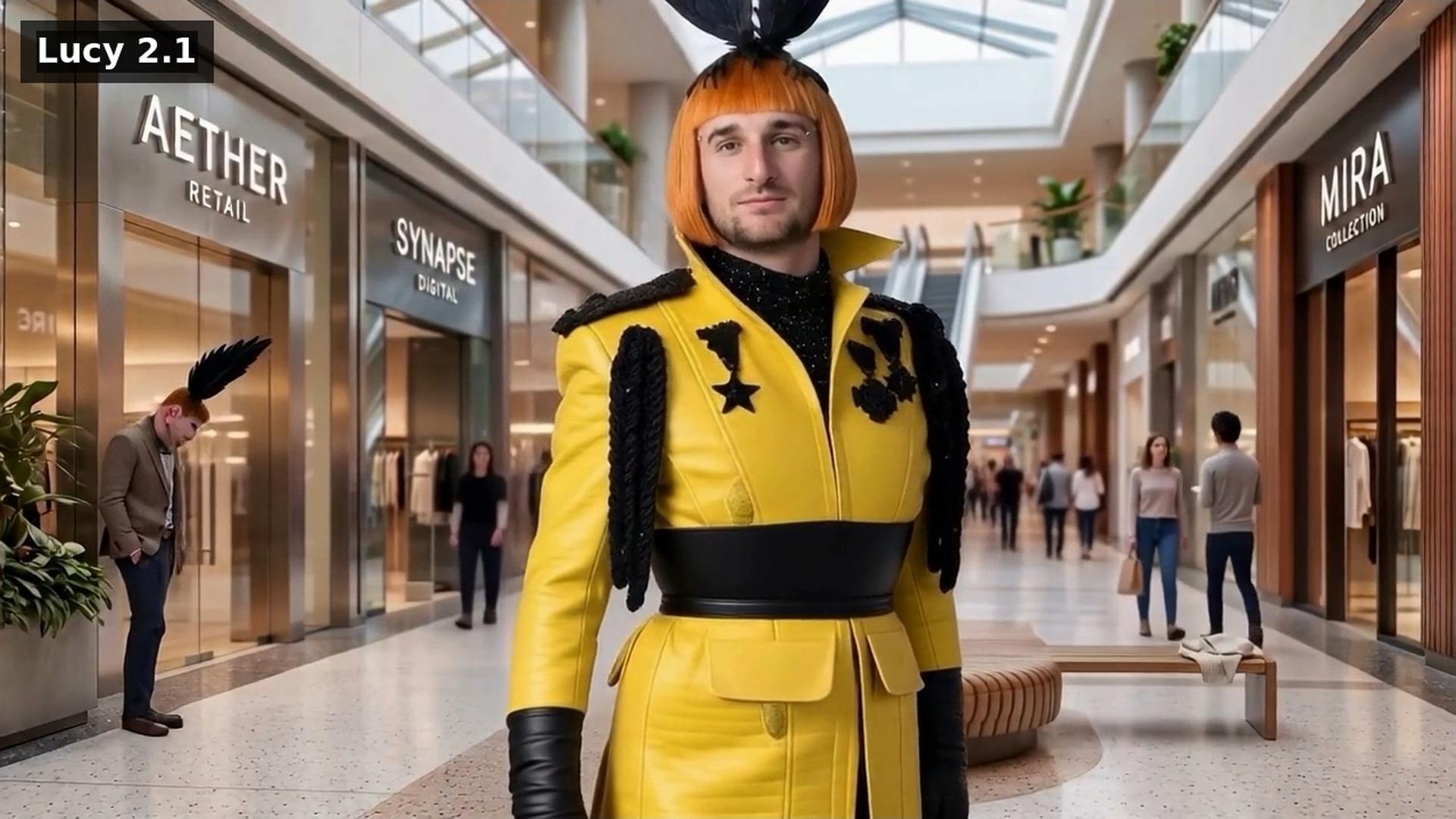
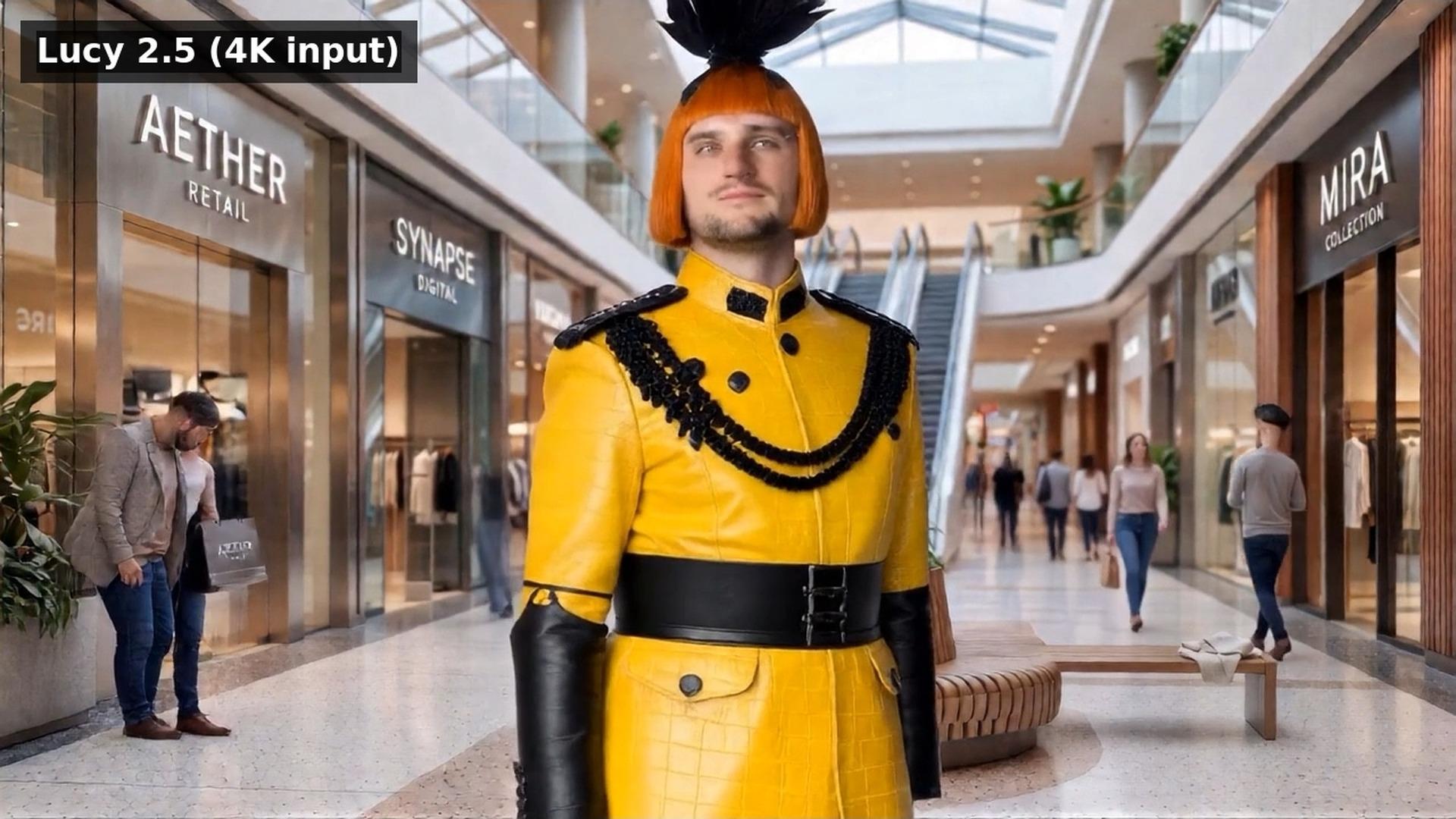
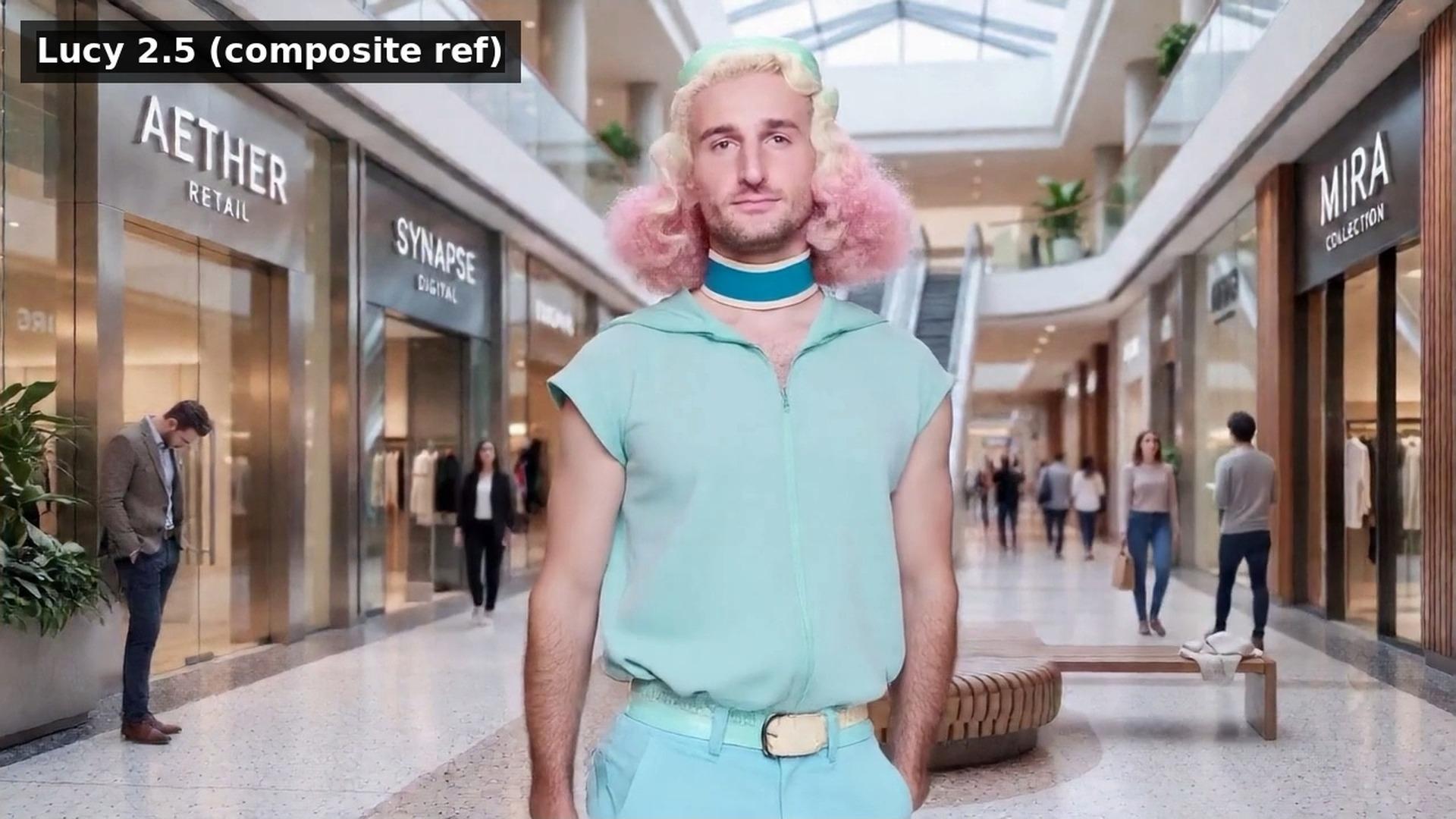
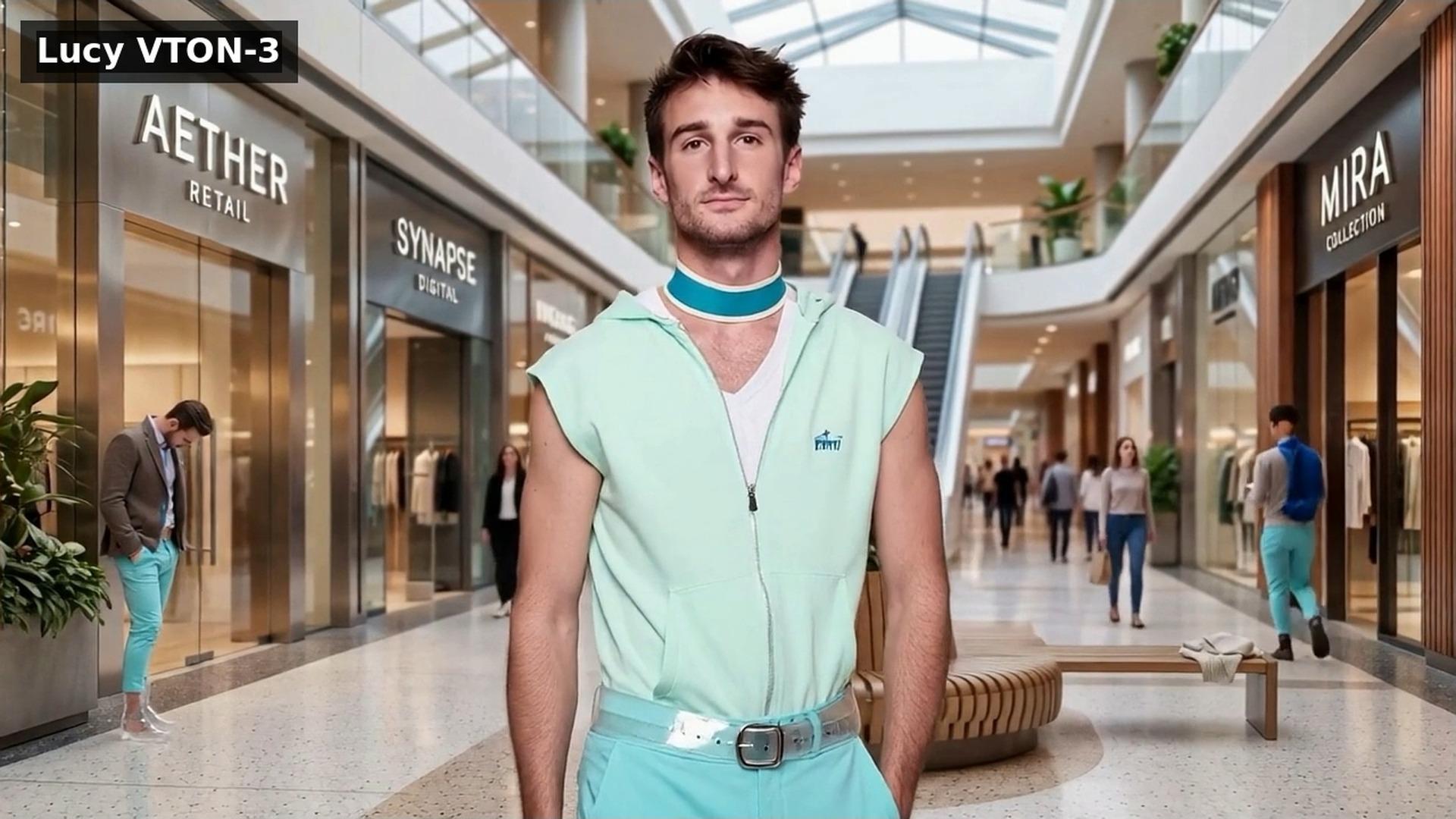
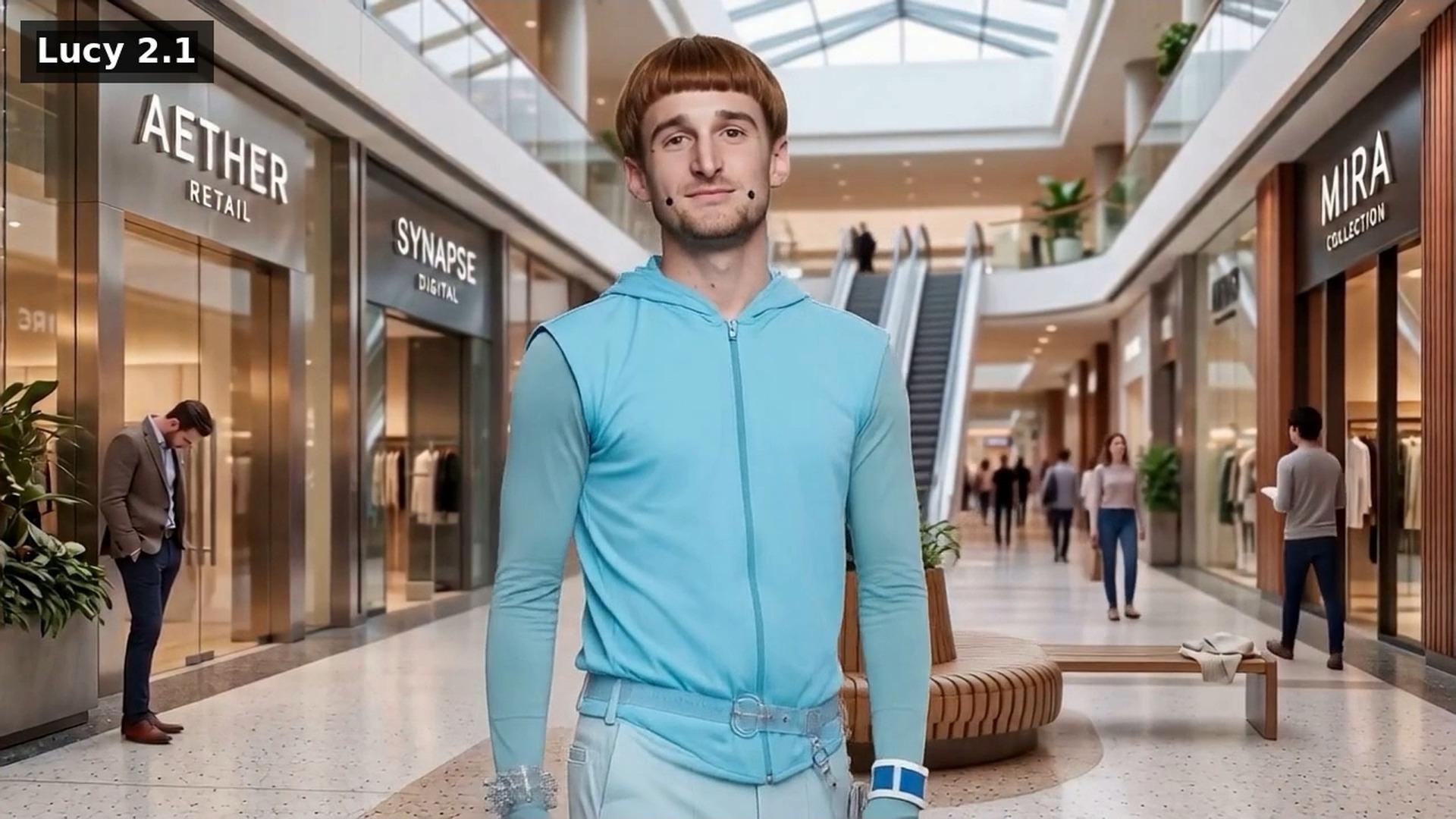
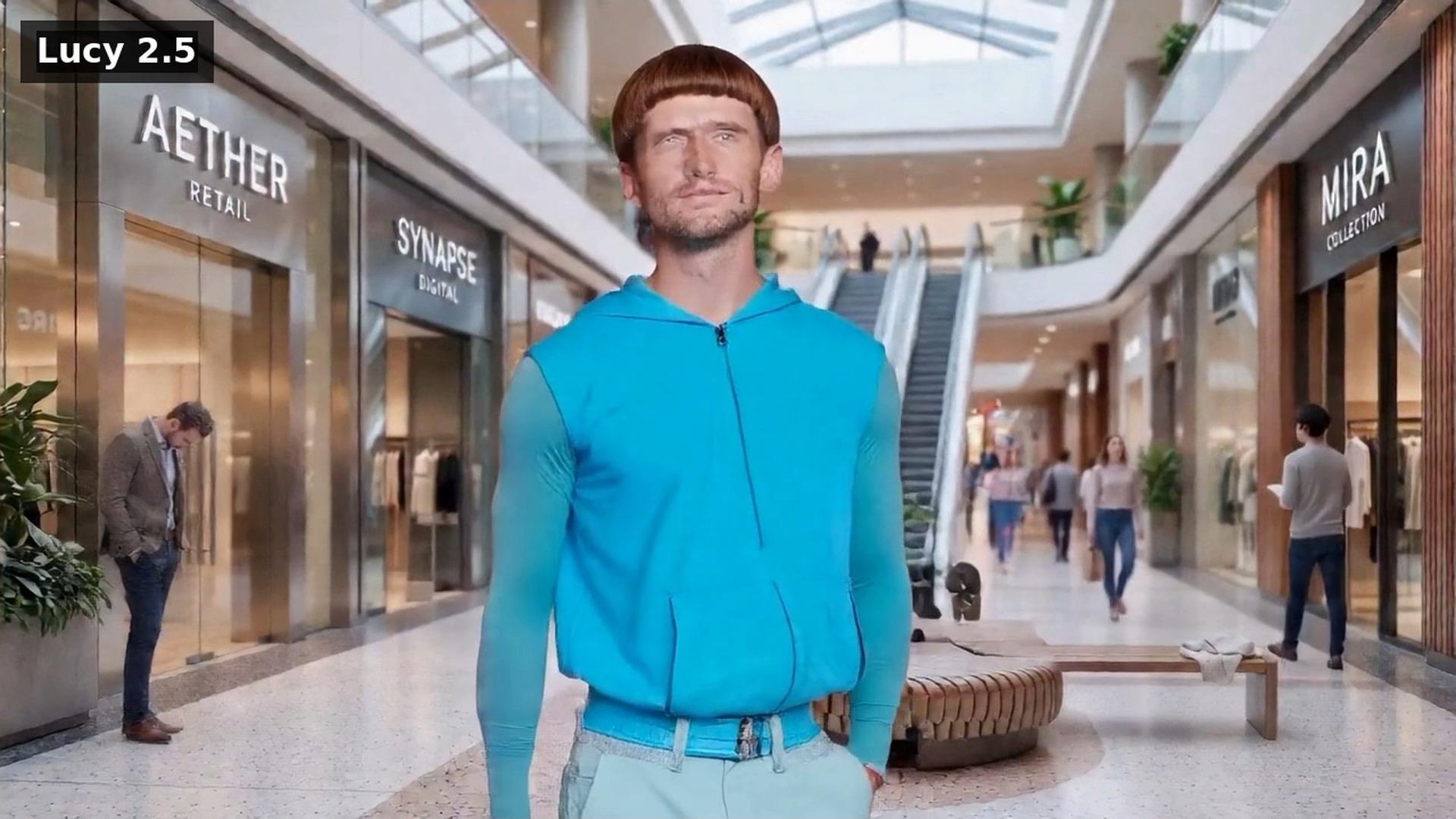
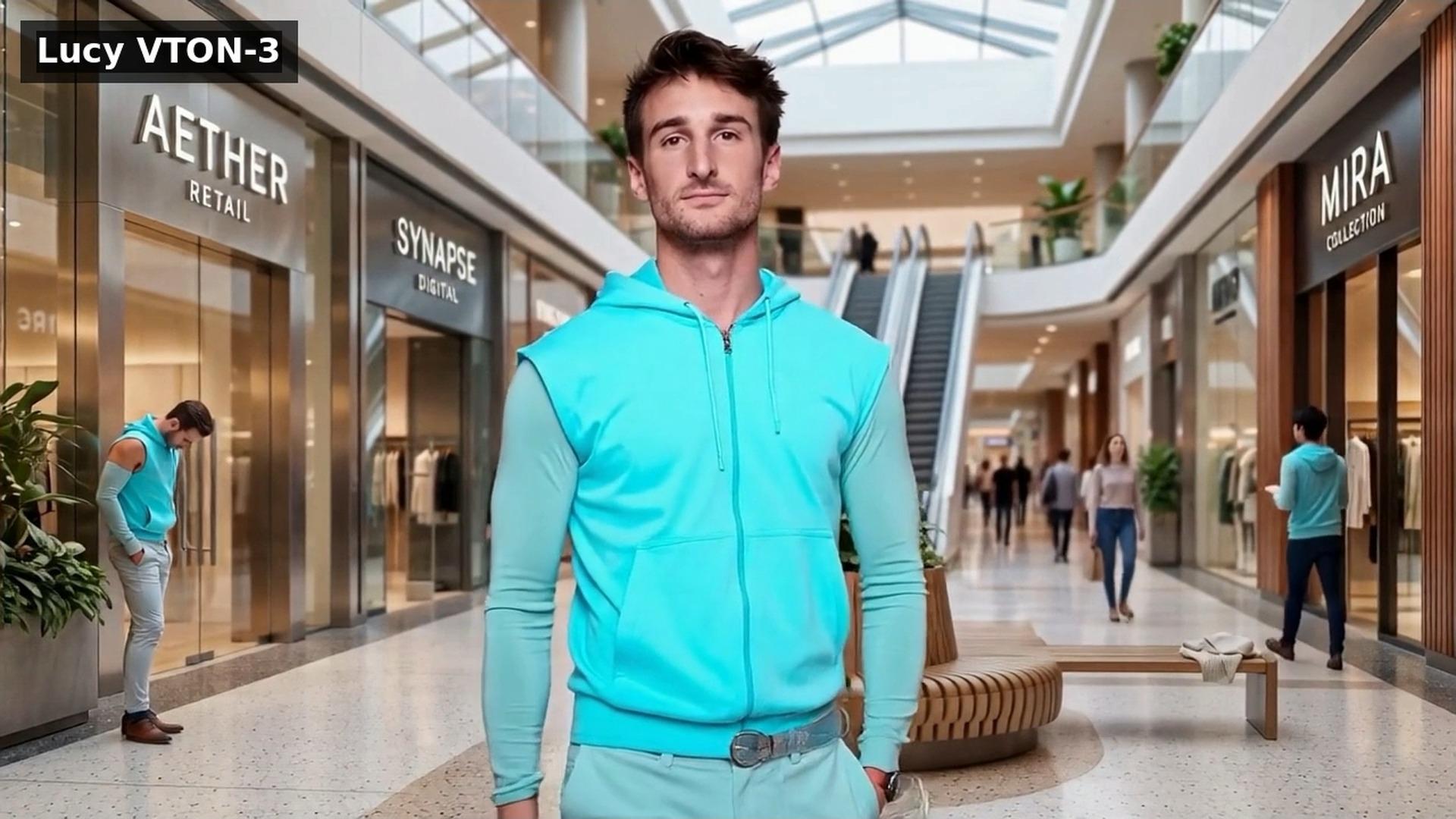
The execution of the concept excited us most. In the past, we would have used 3D + AR body tracking to layer our various digital outfits over users in real time. But modern problems warrant modern solutions. So for this project, we turned to real-time, AI-generated clothing try-on powered by Decart to create this magical, transformative moment.
CAPTURING TALENT
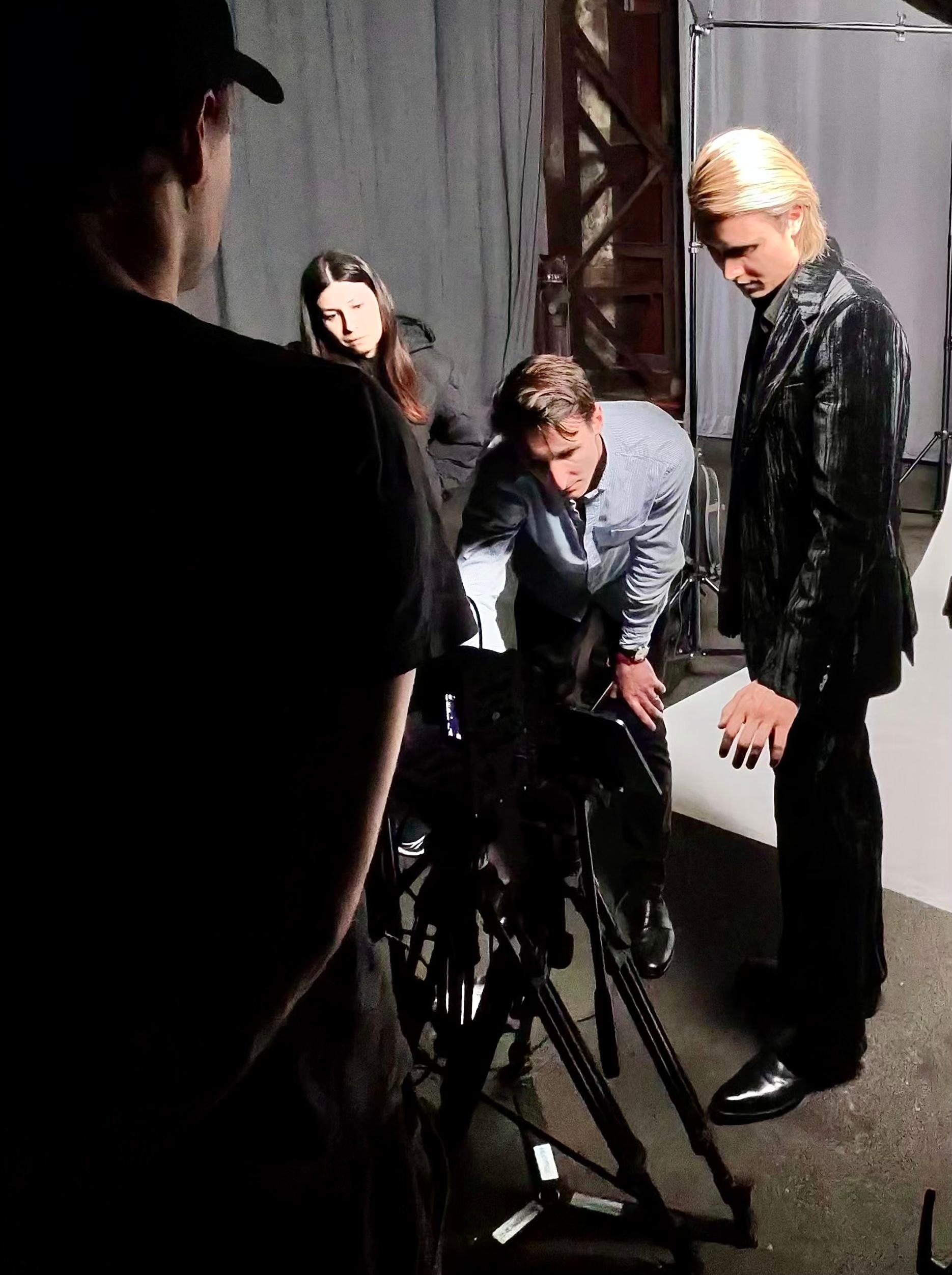
Two weeks of creative development later, we still didn’t have an official greenlight or a confirmed shoot date. We sought out a local production crew, Kreativfilm, who were on standby. After no word for days, we were prepared that the opportunity would pass. But at the last possible minute, the film production confirmed talent would be available to do this, and we were off to Germany.
Delays from Heathrow fog and a bit of jet lag aside, the shoot itself went off without a hitch. We made the most of our limited time with the actors, capturing cinematic takes as they fully transformed into their characters.
BUILDING THE TRANSFORMATION
Germany was a success, but now the real work began. There were still many uncertainties. Could AI really generate the authenticity that we were after?
So began a thorough R&D period that involved comparing results from many different AI models and workflows. Ultimately, we landed on Decart’s Lucy Virtual Try-On model for the real-time transformation, using volumetric captures from the film’s CGI team as our source material to train the model.
But relying on one cloud-based model for an entire campaign felt risky. To mitigate service outages or other possible technical issues, we installed a fail-safe backup using Google’s Nano Banana. That way, even if our API call to Decart failed for whatever reason, participants would still get a great experience, including a takeaway complete with transformation.
PUTTING IT ALL TOGETHER
With the AI workflow producing satisfying results, we began integrating the remaining graphics, VFX, music, and sound design. In the background, our dev team also built the backend content retrieval system, which let participants access, download, and share their personal selfie with Elle Fanning’s character, Effie.
The end result was a complete, immersive, truly in-world experience that felt like an authentic connection to the feature film. With approval from the author, filmmakers, and studio, we could queue up our experience to share across the country via our media network partner, Hologram Media Network. Almost.
EXPANDING THE FOOTPRINT
Lionsgate was so excited about the finished experience that, in addition to procuring a holographic display to run the experience at their corporate office in Santa Monica, they decided to extend the run beyond HMN to DOOH networks Geenee and Proto as well. This expanded the media flight's footprint significantly: the experience would live not just in malls, but in theaters across the country, too.
Conforming our experience to work on multiple networks was a new challenge for us, and not without hidden complexities. Our build now had to work on multiple operating systems and network displays with unique hardware setups. This was uncharted territory, especially with only weeks to implement and test, so we built a comprehensive content management system on top of it all to monitor and direct deployment of the entire device network.
THE RESULT
- 60 screens deployed
- 56 cities across 26 states
- Over 1 Million total impressions
- 54,806 fan interactions
- 19 sec average engagement time
- 27,754 selfies created